Why Most Ceramic Coatings Fail in India (Nobody Talks About This)
Why Most Ceramic Coatings Fail in India (Nobody Talks About This)
Hey there — if your ceramic coating didn’t last as long as the brochure promised, you’re not doing anything wrong. In India, most ceramic coatings fail quietly, and owners end up blaming the “cheap brand” or “Indian weather,” when the real issue is usually how the coating was applied, maintained, and chosen in the first place.
The truth is: ceramic coatings are only as strong as the hands that apply them, the prep they get, and the habits you follow after the job is done. In this guide, we’ll break down the real reasons most ceramic coating manufacturers in India see their products underperform — and how you can pick a system that actually lasts, like a 9H nano ceramic car coating that behaves like it’s meant to.
What a Good Ceramic Coating Should Do (In Real Life)
Before we talk about failure, let’s quickly set the baseline.
A true ceramic coating is a nano‑SiO₂ (silica)‑based formula that chemically bonds to your car’s clear coat. When applied and maintained correctly, it should:
- Create a hydrophobic layer so water beads up and rolls off.
- Protect against light scratches, swirl marks, UV rays, and everyday grime.
- Make washing and maintenance easier.
- Last 3–7+ years in good conditions — not 3–6 months.
In India, many owners get products that look like ceramic coatings but are actually polymer‑based sealants in fancy bottles. No wonder they fail.
Reason 1: Poor Surface Preparation (The Silent Killer)
The #1 reason ceramic coatings fail in India is rushed or skipped surface preparation. Many detailers skip this step to save time, labour, or cost, then blame the product when it peels or fails.
What often goes wrong:
- No clay bar treatment: Iron particles, dust, and contaminants stay bonded to the paint.
- No proper decontamination: Tar, tree sap, and road grime are never fully removed.
- No paint correction: Light swirls, holograms, and scratches are polished over instead of removed.
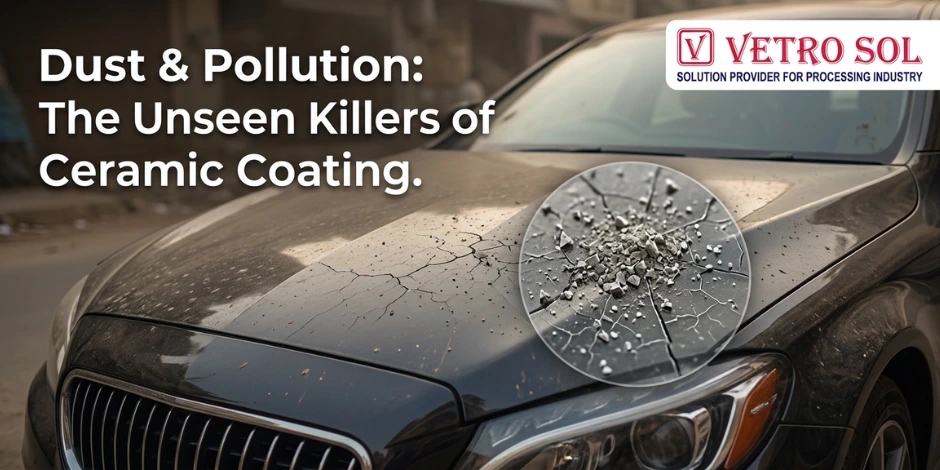
In hot, dusty cities like Ahmedabad, Mumbai, Delhi, and Bangalore, your car’s paint is exposed to a lot of trapped grit and particles. If the surface isn’t properly prepped, the coating sits on a weak foundation and starts failing in high‑dirt zones — lower doors, bumpers, and wheel arches.
What this means for you:
Ask your detailer:
- Do they clay‑bar the car?
- Do they polish and correct light scratches?
- Are they using a proper prep workflow, not just a quick wash and spray?
If they say “no” or “we don’t need it,” that’s your first red flag.
Reason 2: Humidity, Heat, and Bad Cure Conditions
India’s climate is very different from the controlled‑temperature labs where most coatings are tested. High humidity, extreme summer heat, and monsoon showers can wreck a perfectly good coating if it’s not applied or cured correctly.
Common issues:
- High humidity: Slows down the cure process, leading to streaks, hazing, or weak bonding.
- Extreme heat (40°C+): Causes the coating to cure unevenly — edges harden too fast, while the middle stays soft.
- Washing or rain within 24–48 hours: The coating literally washes off or never fully cross‑links.
Many detailers in India apply coatings in the middle of a hot afternoon, then park the car in an open wash bay where it rains or gets hosed down the same day. No wonder owners think “ceramic coatings don’t last in India,” when the problem is how they’re being used.
How to protect your coating:
- Apply coating in cooler parts of the day (early morning or late evening).
- Ensure the car is kept undercover for 24–48 hours with no water, no rain, no washing.
- Choose brands that clearly state “high‑humidity” or “monsoon‑ready” cure guidelines.
Reason 3: Dirty or Improper Application Environment
Most ceramic coatings in India are applied in the same open bays where cars are washed, polished, and sometimes repaired. That means:
- Dust, sand, and overspray fall on the freshly coated surface before it cures.
- No proper airflow control or dust‑free environment.
In proper detail studios, coatings are applied in dedicated, dust‑free coating bays with good lighting and filtered airflow. In many Indian shops, this is skipped to save space and cost.
What to look for:
- Does the shop have a coating‑only bay or a clean, enclosed area?
- Does the bay stay away from sanding, cutting, or grinding work?
- Are the applicators using microfiber‑only tools and clean surfaces?
If it looks like a normal wash bay, the odds of failure go up.
Reason 4: Wrong or Aggressive Aftercare Products
A lot of detailers apply a ceramic coating and assume the job is done. But the wrong follow‑up products can actually break down the coating over time.
Things that damage ceramic coatings:
- Harsh or acidic shampoos with wrong pH levels.
- Wax‑based sealants layered on top of ceramic coatings (they trap moisture and create haze).
- Brush‑wash carwashes with stiff brushes that scratch the coating.
Better aftercare habits:
- Use pH‑balanced, ceramic‑safe car shampoos.
- Avoid waxes; opt for ceramic‑safe quick detailers or SiO₂‑based toppers.
- Prefer touchless or microfiber‑only washes.
When coatings are exposed to wrong chemicals or rough brushes, beading weakens, gloss fades, and owners think “the coating died” — while the real issue is maintenance.
Reason 5: “Fake” Ceramic Coatings (Polymer‑Sealant in Disguise)
Not all products labelled “ceramic coating” are actually ceramic coatings. Many imported or low‑cost brands are polymer‑based sealants that wear out in 3–6 months but are marketed as “ceramic” for a while.
Why this is a problem:
- Genuine ceramic coatings use high‑quality SiO₂, proper resins, and solvents.
- Cheap polymer‑based systems give short‑term shine and water beading, then fade fast under Indian heat, pollution, and frequent washing.
From a technical perspective, these fake coatings behave more like temporary waxes than true ceramic systems — so they fail quickly in Indian conditions.
How to spot the difference:
- Ask for independent lab reports or durability data.
- Look for SiO₂‑based and graphene‑enhanced (like 9H nano ceramic car coating) claims backed by hardness tests.
- Avoid brands that only show “studio photos” and no real‑world data.
A 9H nano ceramic car coating should feel hard under the fingernail test and resist light swirls, not just bead water for a few weeks.
Reason 6: No Proper Aftercare or Maintenance
Ceramic coatings are not “install‑and‑forget” products. In India, many owners wash their cars too harshly, too late, or not at all, which quietly wears out the coating.
Bad habits:
- Letting bird droppings, tree sap, or bug splatter sit for days “because the coating protects it.”
- Using very high‑pressure jets that push water and contaminants under the coating.
- Skipping top‑up treatments or ceramic‑safe toppers.
Good maintenance habits:
- Wash every 1–2 weeks with a gentle, pH‑balanced shampoo.
- Remove bird droppings and tar spots quickly.
- Use a ceramic‑safe topper every 3–6 months to refresh hydrophobicity.
- Avoid harsh engine‑bay chemicals near the coated surfaces.
When aftercare is ignored, owners blame the coating. But the real culprit is routine.
Ceramic Coating Manufacturers in India — Why They’re Often Misunderstood
Many ceramic coating manufacturers in India design high‑quality systems that perform well when used correctly. But because of:
- Rushed workshops,
- Wrong products,
- Poor training,
their products get a bad reputation they don’t deserve.
What you should know:
- Not every brand is “fake” — some Indian‑focused manufacturers put serious R&D into SiO₂‑based, 9H‑rated, and India‑tested systems.
- Many brands now offer certified applicator programs so detailers follow correct prep, application, and cure procedures.
- The same product that lasts 5+ years in a trained studio may fail in 12 months in a poorly managed shop.
So when you hear “all ceramic coatings fail in India,” recognize that the real issue is often installation quality, not the brand.
How to Choose a Ceramic Coating That Actually Lasts in India
Now that you know why coatings fail, here’s how to pick one that won’t:
1. Pick a Reputable 9H Nano Ceramic Car Coating
Look for:
- Clear SiO₂‑based or graphene‑enhanced formulas.
- A 9H hardness rating backed by lab‑style testing, not just a marketing claim.
- 3–5+ year durability given in the product specs.
Products marketed as “9H nano ceramic car coating” should be among your top shortlist if they’re backed with real data, not just logos.
2. Check for India‑Focused Brands
Choose ceramic coating manufacturers in India that:
- Publish India‑specific test data or have strong presence in Indian detailers.
- Offer clear guidelines for high heat, humidity, and monsoon conditions.
- Have a certified applicator network so you’re not guessing the technician’s skill.
3. Verify the Detailer, Not Just the Brand
Ask your workshop:
- Are they certified by the brand?
- Do they follow full prep, clay, polish, and cure protocol?
- Do they use a dedicated coating bay and microfiber‑only tools?
If they can’t show you clear proof of training and process, your brand‑new coating is at risk from day one.
4. Be Realistic About Price
True 9H nano ceramic car coating systems from reputable ceramic coating manufacturers in India cost more than generic polymer‑sealants. A realistic range for sedans is typically ₹15,000–₹40,000+, depending on brand and package. If it’s way cheaper, assume the durability will be lower.
Simple Habits to Extend Your Ceramic Coating’s Life
Think of your ceramic coating like a good pair of shoes — they last longer if you look after them. Here’s a quick checklist:
- Wash your car every 1–2 weeks with a ceramic‑safe shampoo.
- Remove bird droppings, tree sap, and tar spots as soon as possible.
- Avoid brush‑wash carwashes and harsh chemicals.
- Use a ceramic‑safe topper every 3–6 months.
- Park in shade when possible to reduce heat and UV stress.
If you follow this, your 9H nano ceramic car coating will stay shiny, bead strongly, and protect your car’s paint for years — not months.
Why This Topic Is Rarely Talked About (And Why It Should Be)
Most marketing material focuses on instant shine and water‑beading photos, but almost never talks about:
- How poor prep and wrong usage destroy coatings.
- Why real‑world Indian conditions need better installation standards.
- How choosing the right ceramic coating manufacturers in India and the right 9H nano ceramic car coating makes a huge difference.
The uncomfortable truth is that many failures happen not because ceramic coatings don’t work in India, but because they’re misused, mis‑sold, and mis‑maintained.
By understanding this, you can stop blaming the product and start choosing smarter — better brands, better workshops, and better aftercare.